Your Back-to-Basics Guide to Leadership
Most leaders tell me they want a great culture, but when I ask them to define it, things usually get a bit fuzzy. They point to surface-level perks or happy faces, or worse, they assume creating culture is HR’s job. That is a major UH-OH for any organization.
If you can't define what a 'great culture' looks like, you can't build it. And you certainly cannot fix it when things go wrong.
A Cohesion Culture™ isn't a mystery. It's a culture that’s infused with cohesion. You may have a culture of service, excellence, innovation, or joy. Those fundamental core values remain. Through our Cohesion Culture™️ program, we guide leaders to build on three non-negotiable pillars. If one is missing, you don't have a high-performing culture or team... You just have a group of people sharing an office (or a Zoom link).
In celebration of Leadership Day on Friday, February 20, I am offering readers a free download of our book Becoming a Cohesive Leader: The POWERup Guide to Grow, Develop, and Advance Your Career. But I realize not all Cohesion Corner™ with Dr. Troy subscribers have been here since the beginning. So I wanted to take a moment to go back to the basics and introduce you to the Cohesion Culture™ framework.
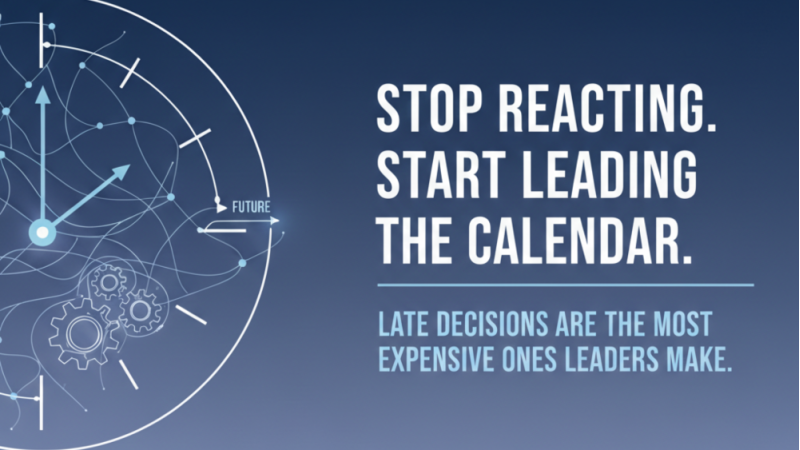
Stop Reacting. Start Leading the Calendar.
"Time is the scarcest resource, and unless it is managed nothing else can be managed." - Peter Drucker
Late Decisions Are the Most Expensive Ones Leaders Make
In leadership, we often mistake busyness for responsiveness. We wait for the data to dip or the culture to fray before we pivot. But by then, the price tag has already gone up.
When leaders wait for urgency to dictate their timing, the cost shows up immediately, usually in sales results and team culture.
- Late conversations lead to friction.
- Late investments lead to missed targets.
- Late clarity leads to a team that is busy but never ahead.
By the time many leaders finally take action, the pressure is already on. Even a good decision feels rushed and defensive when you’re already behind the curve.

Values at the Core, Part 3: How Values Shape Conflict, Trust, and Sales Culture
Before reading this edition, make sure you’ve read Part 2 of this series in the Leading On Purpose blog by Ben-Jamin Toy. That newsletter explored how personal values shape decisions, energy, and resilience in sales leadership.
This installment continues that conversation by looking at leadership through the lens of sales teams, while showing how these same principles apply to leadership in any context.
Leadership in any field requires navigating conflict, managing priorities, and guiding people under pressure. Sales teams provide a highly visible example of these dynamics, but the lessons extend to all leaders, from operations to project management. By examining how values shape decisions and behaviors in sales, leaders can better understand and influence their own teams, no matter the function or industry.
Values at the Core, Part 1: The Inner Compass of Cohesive Leadership
Before we dive in, consider these questions about your personal core values:
- What principles guide your decisions when no one is watching?
- Where do you feel tension between what you believe and how you behave?
- How do your values show up in your interactions with clients, prospects, and colleagues?
- If your role or title changed tomorrow, what behaviors would remain true to you?
Keep these questions in mind as we explore why core values matter and how they drive observable behaviors that define leadership and sales success.
Why Core Values Matter in Leadership and Sales
Every organization knows core values matter. They define culture, guide decisions, and shape expectations. However, values are often written as abstract concepts. “Integrity,” “collaboration,” “customer first.” These definitions are open to interpretation, and that’s where confusion starts.

A Softer Way to Lead into the New Year
Can you believe 2025 is already winding down?
This season is a good time to pause. This is a time for rest and reflection. It's not a time for hustle. Prioritize friends and family. Prioritize making memories over making dollars. Presence over productivity.
And here's where Cohesive Leaders quietly stand out. Cohesive Leaders are thermostats, not thermometers. They don’t react to the emotional climate. They set the social climate and emotional temperature of the group. So as you move through gatherings, conversations, and crowded calendars, be the thermostat. Set a tone of peace. Encourage contemplation. Make room for joy throughout the holiday season.
Sometimes leadership looks less like driving results and more like slowing the room down.
From Small Talk to Smart Talk
Curiosity is Fun. Intentionality is Productive. Leaders Need Both.
You know those friendly hallway greetings by the water cooler that somehow turn into a person's life history? It starts with a quick hello and suddenly you are twenty minutes into talking about childhood pets, favorite pizza toppings, and whether llamas are superior to alpacas.
Fun, but also a time thief.
One training client recently discovered in their leadership assessment that their strength in social connection was double edged. They were curious. They cared. They were also unintentionally derailing their productivity. Their conversations were open, but not moving anyone forward. They were excessively socializing.
Curiosity builds relationships, yet without intentionality it stalls progress. The shift is not to stop asking questions. The shift is to ask questions that matter to the moment.
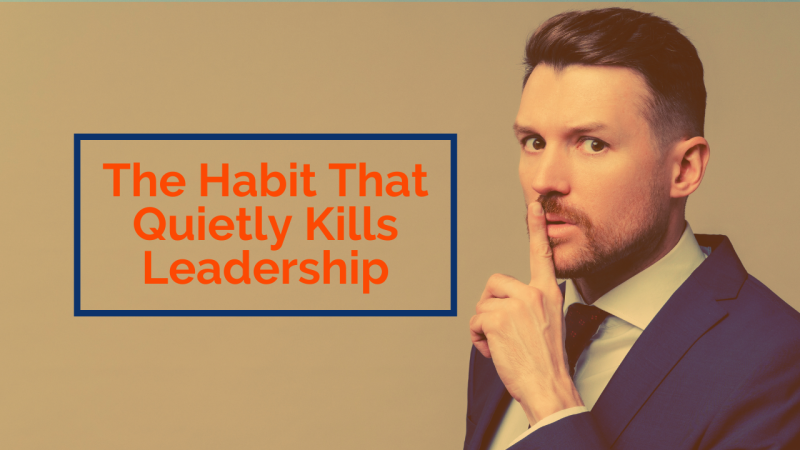
The Silent Habit That Derails Leaders
Ever watched someone sabotage their own leadership in real time? I have and it all comes down to a sneaky habit called side-mouthing.
I was reminded of it during a recent conversation with a guest on our UH-OH Conversations with Cohesive Leaders podcast (that episode drops in February 2026). Something our guest said snapped me right back to a story from Becoming a Cohesive Leader, and it’s one worth revisiting.
If you’ve never heard the phrase side-mouthing, don’t worry. You’ve definitely seen the behavior.
It’s what happens when someone gets so locked in on the negative that they lose the plot. They can’t see possibilities, opportunities, or solutions… they can only broadcast what’s wrong. And when that mindset takes over, they’re not contributing to the change. They’re fueling resistance.
Today’s podcast conversation centered on the same theme: Mindset is everything. If you don’t catch your negative thoughts early, the mental ANTs that crawl in, you end up amplifying the very thing you say you don’t want.
And that brings us to my story.

How can AI help relieve burnout?
Burnout doesn’t hit like a lightning bolt. It sneaks in through the tiny overwhelming moments you’ve been powering through for way too long.
And the cost is bigger than most leaders realize. A 2025 study in The American Journal of Preventive Medicine found that burnout drains U.S. companies anywhere from $4,000 to $21,000 per employee each year, adding up to nearly $5 million annually for a 1,000-person organization.
In a mind-blowing example of what’s possible, a high-school student used AI to analyze NASA’s massive data sets and uncovered 1.5 million previously-unknown space objects. If AI can help map the invisible in the vastness of space, imagine what it can do for the invisible weight of burnout in your day-to-day work.
You don’t have to white-knuckle your way to the weekend anymore. AI is finally stepping up as the colleague who takes the busywork off your plate without eating your snacks from the break room.